

Hamilton-Burlington Housing Market Shows Signs of Stability in 2026
Editorial Disclaimer
This article is adapted from publicly available industry news sources and is provided for informational purposes only. Royal Canadian Realty is not affiliated with any news organization and does not guarantee the accuracy, completeness, or timeliness of the information presented. Readers are encouraged to verify details independently and consult with a licensed real estate professional before making any real estate decisions.
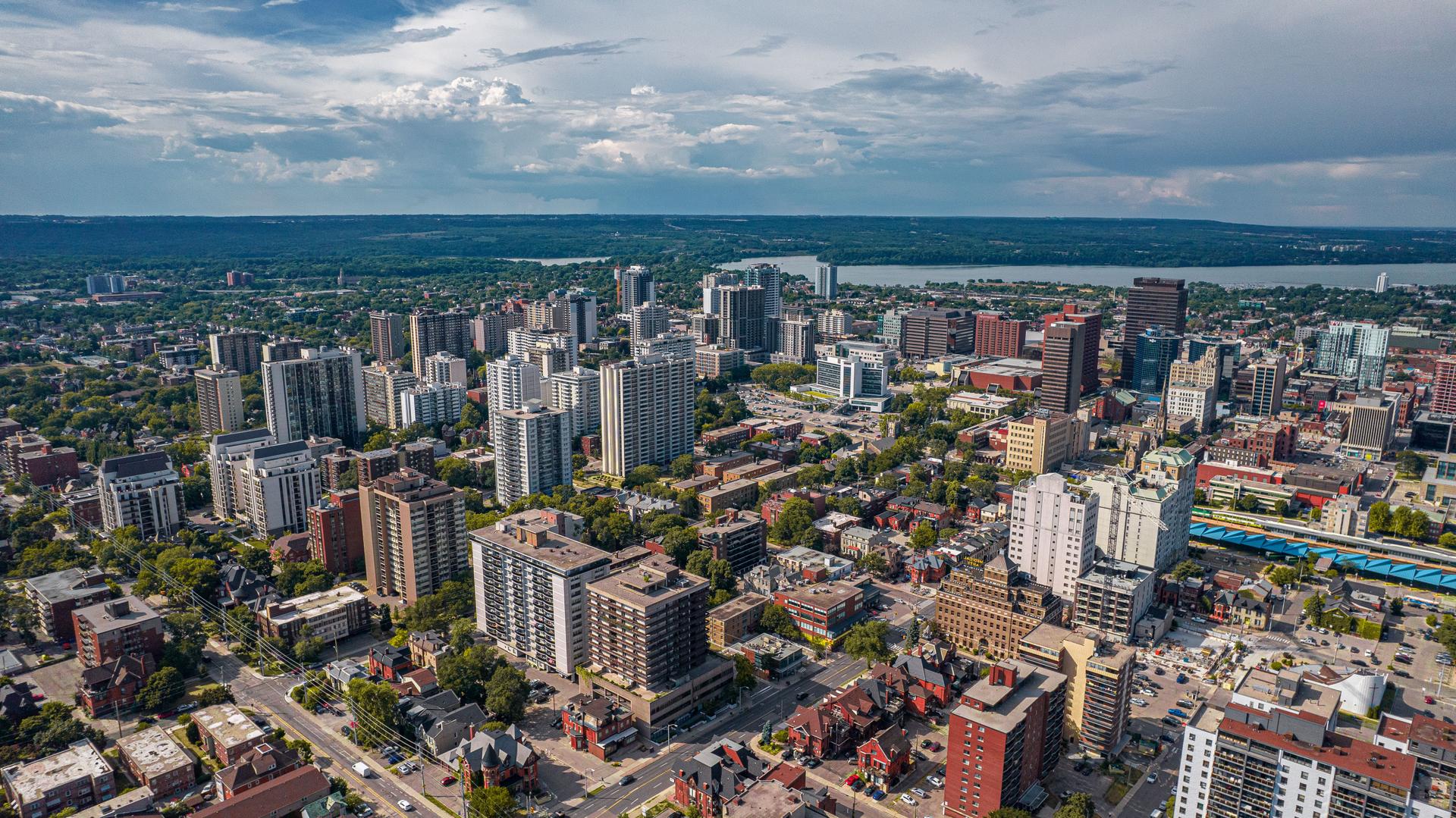
The Hamilton-Burlington housing market showed signs of stability in April 2026, as sales, listings, and prices all moved in a more balanced direction heading into the spring season.
According to Cornerstone Association of REALTORS®, home sales across the Hamilton-Burlington-Haldimand-Niagara North market area increased 14.7% month-over-month in April. New listings also rose by 20.3% compared to the previous month, giving buyers more choice while still showing stronger market activity from both sides of the transaction.
This is an important signal for the local housing market. After months of uncertainty, higher borrowing costs, and cautious buyer behaviour, April’s numbers suggest that the market is beginning to find a steadier rhythm. More listings usually mean buyers have more options, but the rise in sales shows that demand is also improving.
The MLS® Home Price Index increased 1.4% from March, showing some month-over-month price strength. However, the index remained 7.7% lower than the same time last year, which means affordability has improved compared to 2025 while prices are not yet fully back to last year’s levels.
Inventory also played an important role in April’s market story. Cornerstone reported that inventory was down 4.7% year-over-year across the broader market area. However, because inventory increased month-over-month, the months of supply rose to 4.5 months by the end of April.
For buyers, this creates a practical window of opportunity. More listings mean more choice, and lower year-over-year prices may give buyers better room to compare homes, negotiate, and enter the market with a clearer strategy. At the same time, stronger sales activity suggests that buyers should not assume the market will remain quiet forever.
For sellers, the message is also encouraging, but it requires discipline. A stabilizing market does not mean every property will sell quickly or above expectations. The homes that perform best are usually those that are priced correctly, presented well, and marketed with a strong local strategy.
Hamilton and Burlington remain important housing markets because they offer different types of value. Hamilton continues to attract buyers looking for relative affordability, urban growth, and neighbourhood diversity. Burlington remains attractive for its waterfront lifestyle, established communities, and strong connection to the western GTA.
Cornerstone CEO Bill Duce described April’s conditions as positive for both buyers and sellers, noting that increased listing activity and growing inventory are giving buyers more choices, while steady month-over-month price gains reflect continued seller confidence.
The bigger takeaway is simple: stability does not mean the market is standing still. It means buyers and sellers are beginning to move with more confidence. In real estate, that confidence matters because markets are shaped not only by numbers, but also by timing, trust, and preparation.
Source note: This article is based on publicly available housing statistics from Cornerstone Association of REALTORS® and CREA. Royal Canadian Realty is not affiliated with Cornerstone Association of REALTORS® or CREA.



 Toronto Real Estate Board (TRREB); All information deemed reliable but not guaranteed. All properties are subject to prior sale, change or withdrawal. Neither listing broker(s) or information provider(s) shall be responsible for any typographical errors, misinformation, misprints and shall be held totally harmless. Listing(s) information is provided for consumer's personal, non-commercial use and may not be used for any purpose other than to identify prospective properties consumers may be interested

 All information deemed reliable but not guaranteed. All properties are subject to prior sale, change or withdrawal. Neither listing broker(s) or information provider(s) shall be responsible for any typographical errors, misinformation, misprints and shall be held totally harmless. Listing(s) information is provided for consumer's personal, non-commercial use and may not be used for any purpose other than to identify prospective properties consumers may be interested in purchasing. The data relating