
This article is adapted from publicly available industry news sources and is provided for informational purposes only. Royal Canadian Realty is not affiliated with any referenced news organization and assumes no responsibility for the accuracy or completeness of the original source material.
Editorial Disclaimer: This content is independently summarized from publicly available industry news sources. Royal Canadian Realty is not affiliated with, endorsed by, or acting on behalf of any referenced organization. The information is presented for general informational purposes only.
Ontario’s New Housing Legislation Aims to Accelerate Supply and Reduce Costs
April, 2026


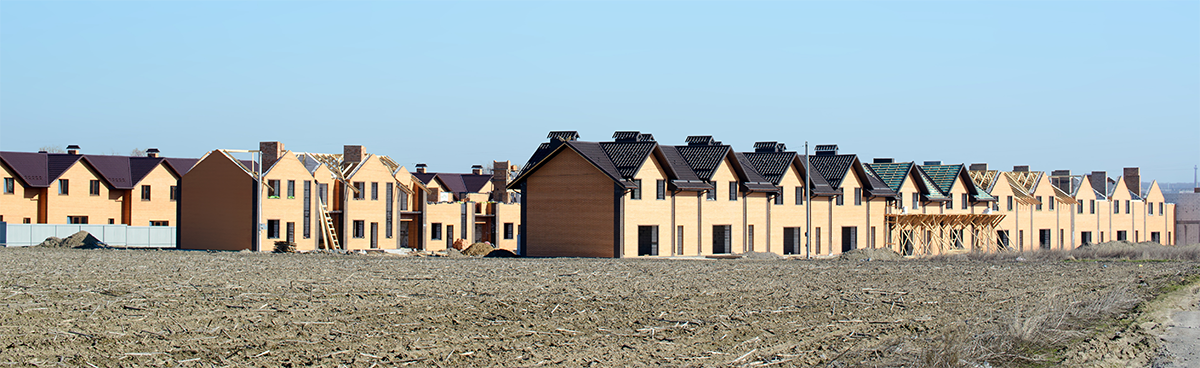
The Toronto Regional Real Estate Board has welcomed Ontario’s Building Homes, Infrastructure Act along with the federal and provincial commitment to reduce development charges, calling them meaningful steps toward addressing the province’s housing affordability crisis. The reforms are designed to remove long standing barriers that have slowed construction and increased the cost of building new homes.
One of the most significant components of the plan is the reduction of development charges, which can account for up to 20 percent of a home’s purchase price in some markets. By lowering these charges, the government aims to directly reduce the cost burden on both builders and buyers, making it easier to bring new housing projects to market and improve affordability for end users.
The legislation also focuses heavily on streamlining the development process. Proposed changes include simplifying planning frameworks, standardizing official plans, and limiting unnecessary municipal requirements that often delay approvals and add costs. These steps are expected to shorten timelines for new projects and allow developers to move forward with construction more efficiently.
Another key element of the reforms is the modernization of the building code and land use policies. The province is reviewing outdated regulations that have made construction more complex and expensive over time. By updating these standards and removing duplication, the government aims to create a more predictable and efficient environment for homebuilding while maintaining safety requirements.
Infrastructure investment is also a major part of the strategy. Through a broader federal and provincial partnership, billions of dollars are being allocated to support housing related infrastructure and reduce development costs. This includes funding initiatives that help municipalities offset reduced charges while still delivering essential services tied to new development.
TRREB believes that these combined measures could play a critical role in boosting housing supply across Ontario. By lowering costs, cutting delays, and improving coordination between different levels of government, the reforms are expected to create conditions that encourage more building activity.
While the direction of these policies has been widely supported, industry stakeholders continue to emphasize the importance of clear implementation details. The long term impact will depend on how quickly these measures are executed and whether they translate into tangible increases in housing supply across key markets.





 Toronto Real Estate Board (TRREB); All information deemed reliable but not guaranteed. All properties are subject to prior sale, change or withdrawal. Neither listing broker(s) or information provider(s) shall be responsible for any typographical errors, misinformation, misprints and shall be held totally harmless. Listing(s) information is provided for consumer's personal, non-commercial use and may not be used for any purpose other than to identify prospective properties consumers may be interested

 All information deemed reliable but not guaranteed. All properties are subject to prior sale, change or withdrawal. Neither listing broker(s) or information provider(s) shall be responsible for any typographical errors, misinformation, misprints and shall be held totally harmless. Listing(s) information is provided for consumer's personal, non-commercial use and may not be used for any purpose other than to identify prospective properties consumers may be interested in purchasing. The data relating